Residential · Drains & clogs
Drain Cleaning in Markham
A drain that empties slowly has something stuck to the pipe wall: hair on a pop-up rod, grease on a trap, scale in a cast iron run. We pull the trap, run a cable sized to the pipe and flush the line until it drains at full bore.
- Old slip-joint washers swapped if they weep
- Cable sized to the pipe, not a one-size snake
- Trap pulled and checked, line flushed at full flow
- Floors covered before anything is opened
- Licensed plumbers (details on request)
- Price agreed before work
- Call-only, no forms
- Tested before we leave
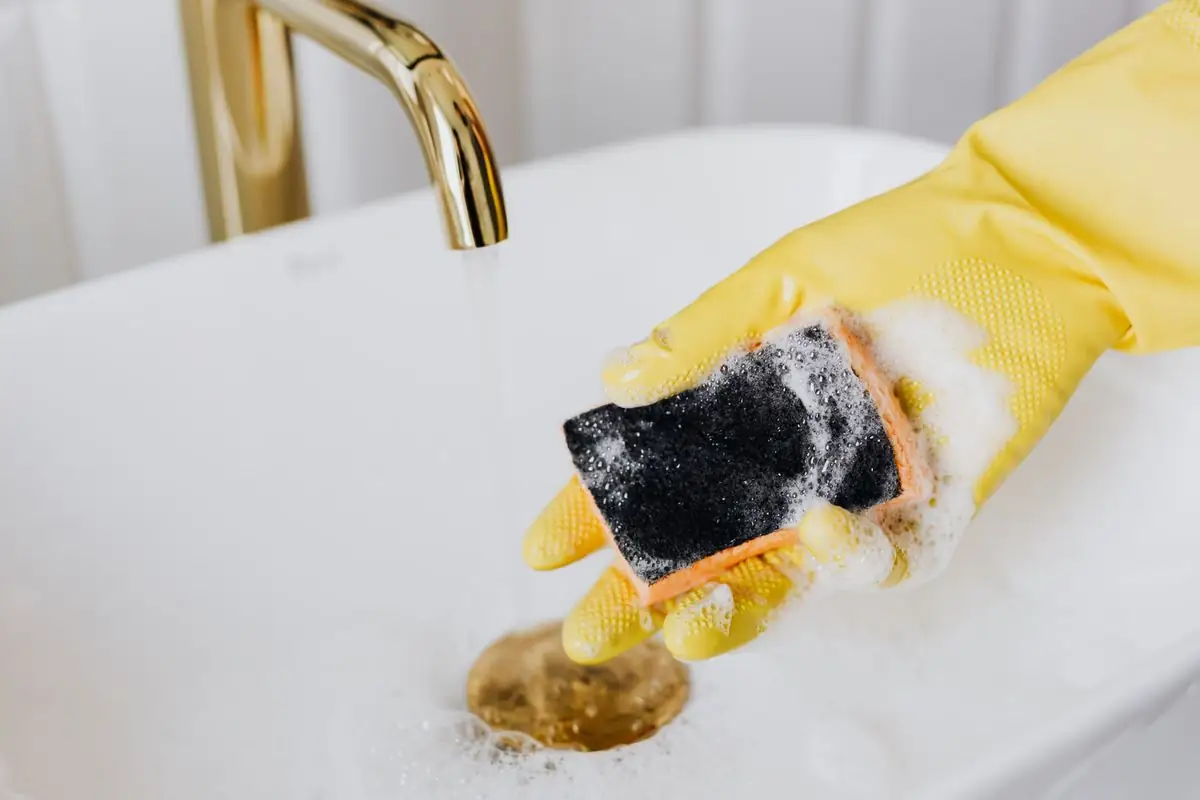
Signs you require drain cleaning
A sink or tub slow to empty, a gurgle from one fixture when another drains, a sour smell from the plug, or bubbles in the toilet when the washing machine empties all point to a narrowing somewhere in the line. If two or more fixtures drag together, the trouble is typically deeper in the system, toward the main stack or building drain.
Our routine on the day
First questions: which fixtures, and since when, because that tells us where to begin. For a single fixture, we clear the trap and use a hand or drum auger sized to the pipe. For deeper or larger lines, a machine with interchangeable cutting heads goes in through a cleanout. Afterwards we run plenty of water through the line to confirm it flows at full speed.
If the same drain keeps clogging, we may suggest a camera look. That turns guesswork into a clear picture of whether the issue is build-up, a belly in the pipe, or something lodged there.
Markham houses and what shapes this job
York Region water is fairly hard, so mineral scale lines the inside of older metal drains and gives grease and hair something to grip. Read more in our hard water note. Older homes near Main Street Markham and in Thornhill may still have cast iron stacks with rough interior walls that catch debris.
Newer subdivisions in Berczy Village, Wismer Commons and Greensborough mostly use ABS plastic, which drains smoothly but does not handle hot grease well. Where a house has a kitchen far from the stack, long horizontal runs can collect sludge over time.
Cleanout access varies. Some basements have a clear cleanout on the main, while finished spaces sometimes hide it behind a panel or under a carpet. Knowing where yours is saves time on the day.
Keeping drains moving
Strainers in every sink and tub catch most of what causes trouble. Running hot water for half a minute after greasy dishes helps, as does a monthly kettle of hot, not boiling, water down rarely used drains to keep traps full and odours down. Laundry lint is another quiet contributor, so a mesh filter on the washer outlet hose is worth fitting in homes with a laundry tub.
Ring us without delay if
Call promptly if water backs up into another fixture, if a floor drain starts to fill, or if the toilet rises when you run a tap. Those signs suggest the main line is involved, which is explained on the sewer clearing page. For what to keep out of drains, our what not to flush list is a good fridge-door reference.
About chemical cleaners: they can soften some clogs but also harm older pipe and make the job riskier for whoever opens the trap next.
From the job notes of Plumbers in Markham
Job card · Drains & clogs
On the van for this job
- Trap wrenches, a bucket and drop cloths for the vanity or sink base
- Cutting heads sized to 1½-inch and 2-inch branch lines
Signs you need this
- Water sits in the sink or tub for minutes after the tap is off
- A sour smell from the plug or overflow
What we check before we pack up
- Pull and clean the trap and look at what came out
- Flush hot water for several minutes and watch the speed
| Fixture | What usually blocks it | What we use |
|---|---|---|
| Kitchen sink | Grease, starch, coffee grounds | Drum machine from the trap arm |
| Tub and shower | Hair and soap scum | Pull the strainer, hand auger |
How the job runs, start to finish
- 1
On the phone
Explain what the water is doing and where. We ask the age of the house and which valve or breaker to shut while we drive over.
- 2
Drop cloths down
Floors and cabinets get covered, the water or gas is isolated and the work area is lit.
- 3
Find the failed part
We open the trap, cleanout, access panel or wall where the fault is, and show you what we found.
- 4
Quote, then work
We explain what failed and what the fix costs; no cutting starts until you say yes.
- 5
Cut, fit, seal
Old parts come out, new pipe, valves or fixtures go in, and joints are soldered, pressed, crimped or glued.
- 6
Test and ticket
We run water, pressure-test or fire the heater, check for drips, clean up and leave a written ticket of what was done.